Lived
Understanding a system requires understanding the people and the culture it serves.
“We shape our buildings and afterwards our buildings shape us.”
For as long as I’ve built systems, I’ve wanted to know the people inside them, and the systems that shape how they live. So I travel slowly. Four years in Medellín, and months in Mexico City, Lima, Buenos Aires and Santiago: long enough to stop being a visitor, and start seeing how people actually think.
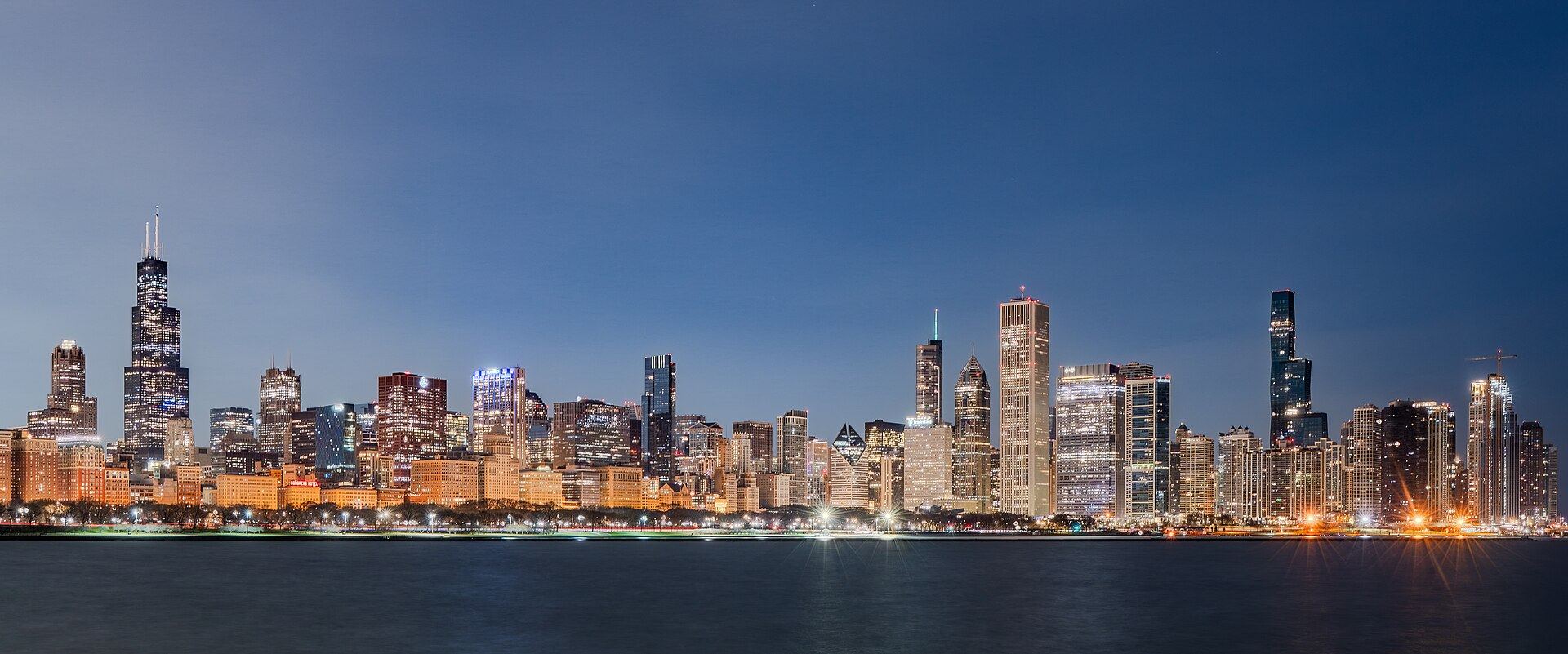
Where it started.
01
Chicago
The Loop
You don’t see the system you grow up inside. You only learn it through contrast. It took leaving to see Chicago’s: a long winter, suffered together. Someone opens up their basement, the neighbors come over, and the whole city waits out the cold for Cubs games, festivals and the block parties of summer. House parties kept Chicago alive. Fittingly, it also invented house music.
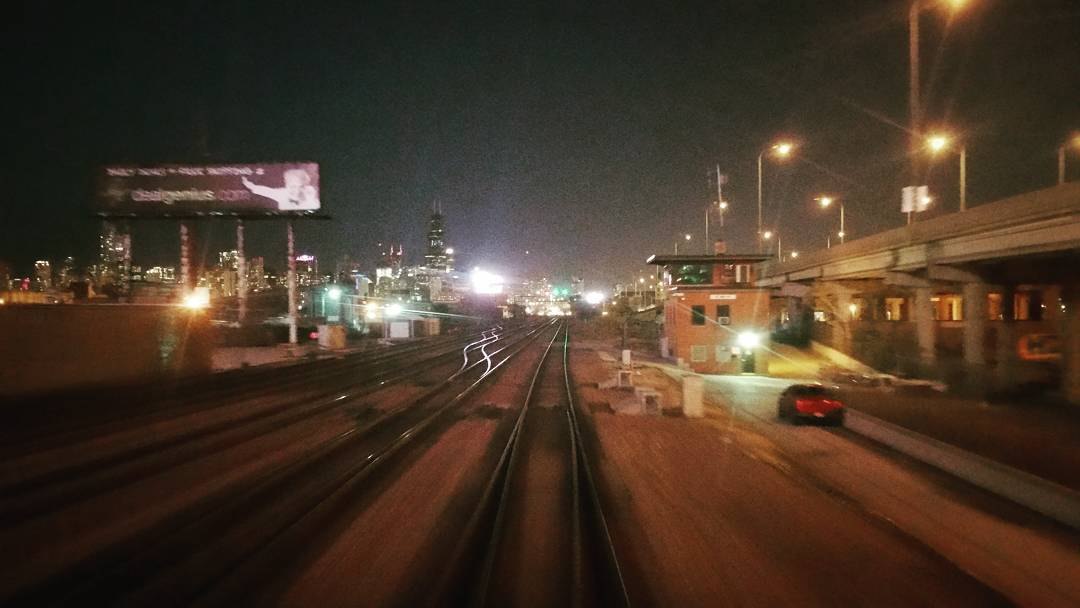
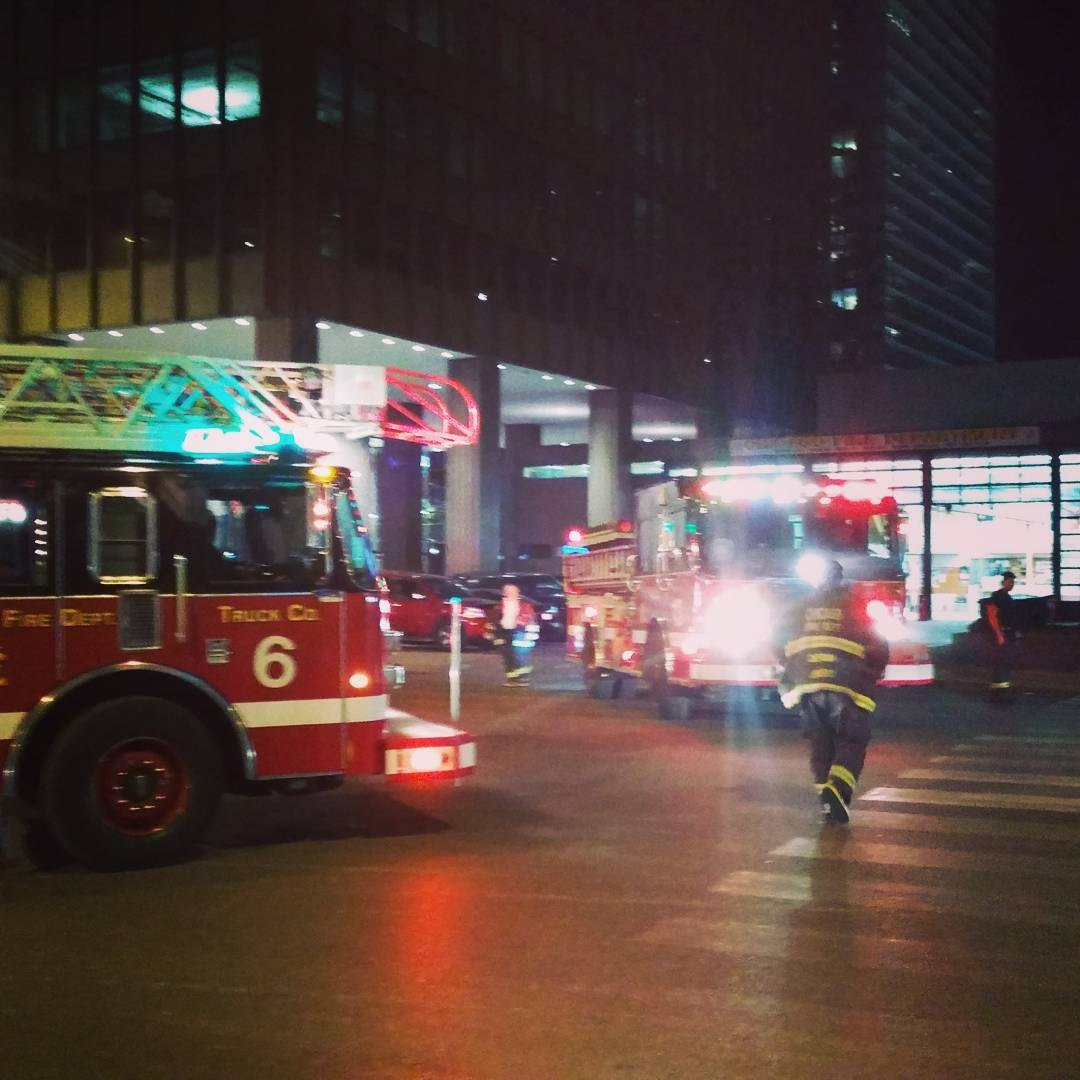
Sources: House music, Chicago, early 1980s
Photo: NorbertNagel, CC BY-SA 4.0

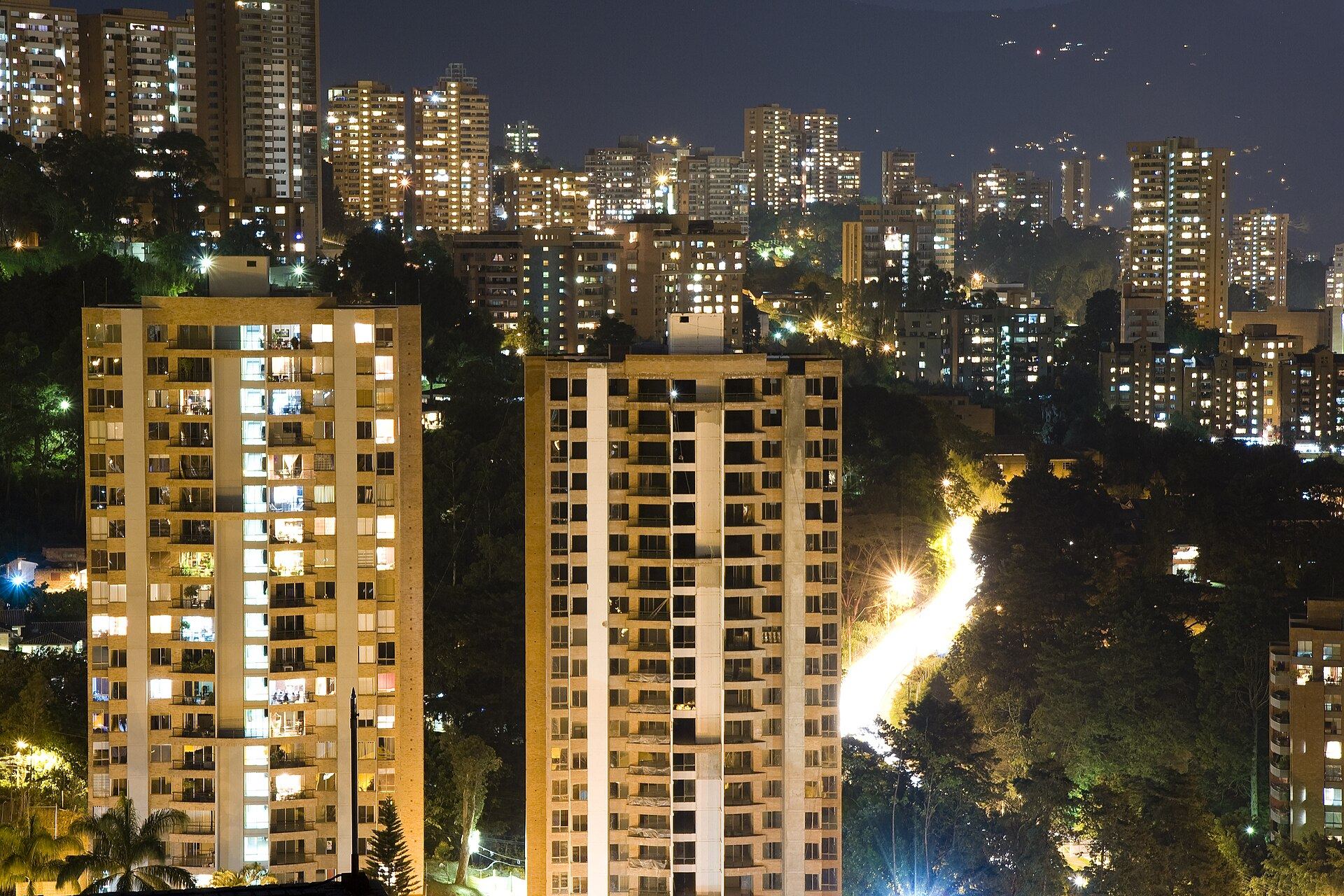
Then I left, and the first thing I learned was how wrong a reputation can be.
02
Medellín
El Poblado and Laureles
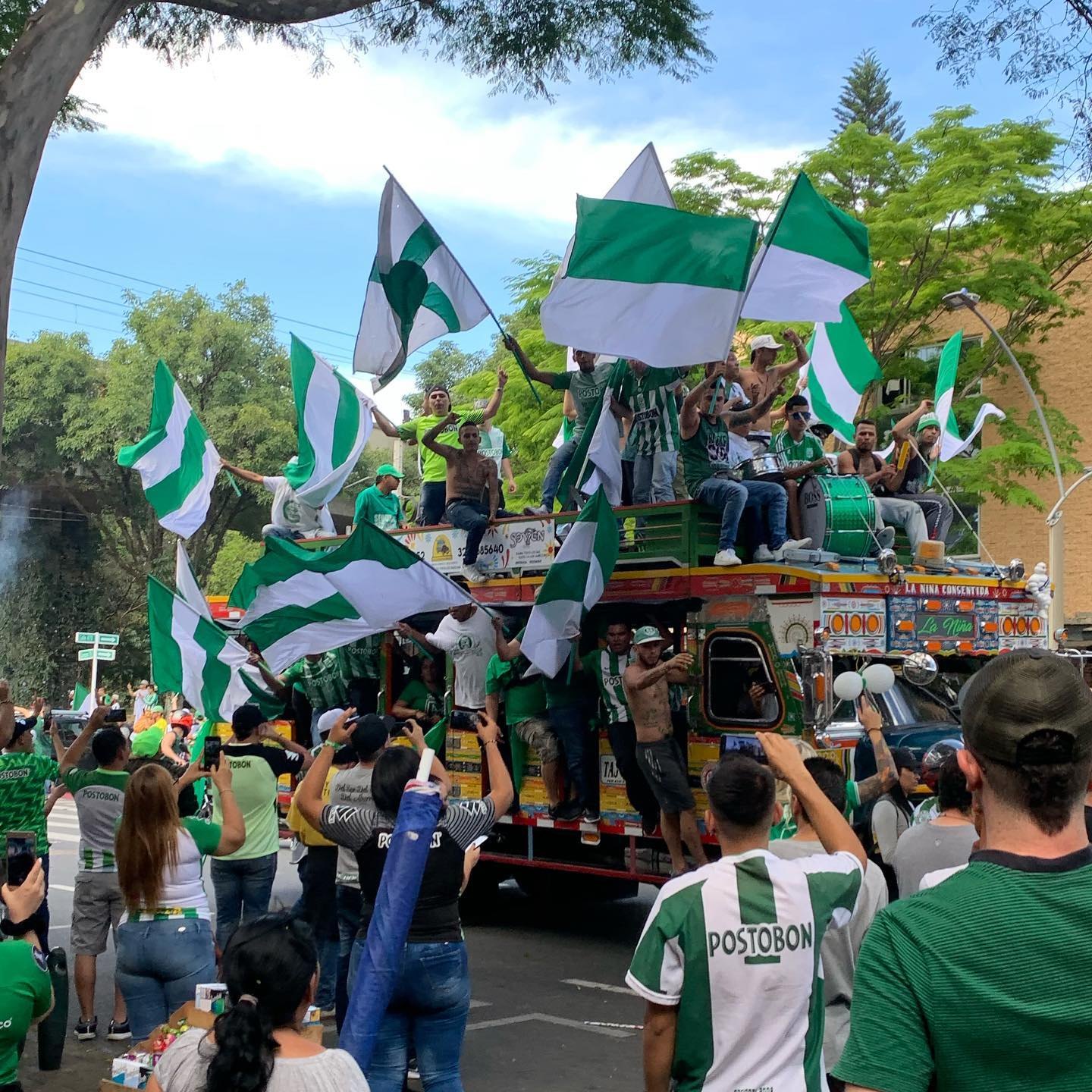
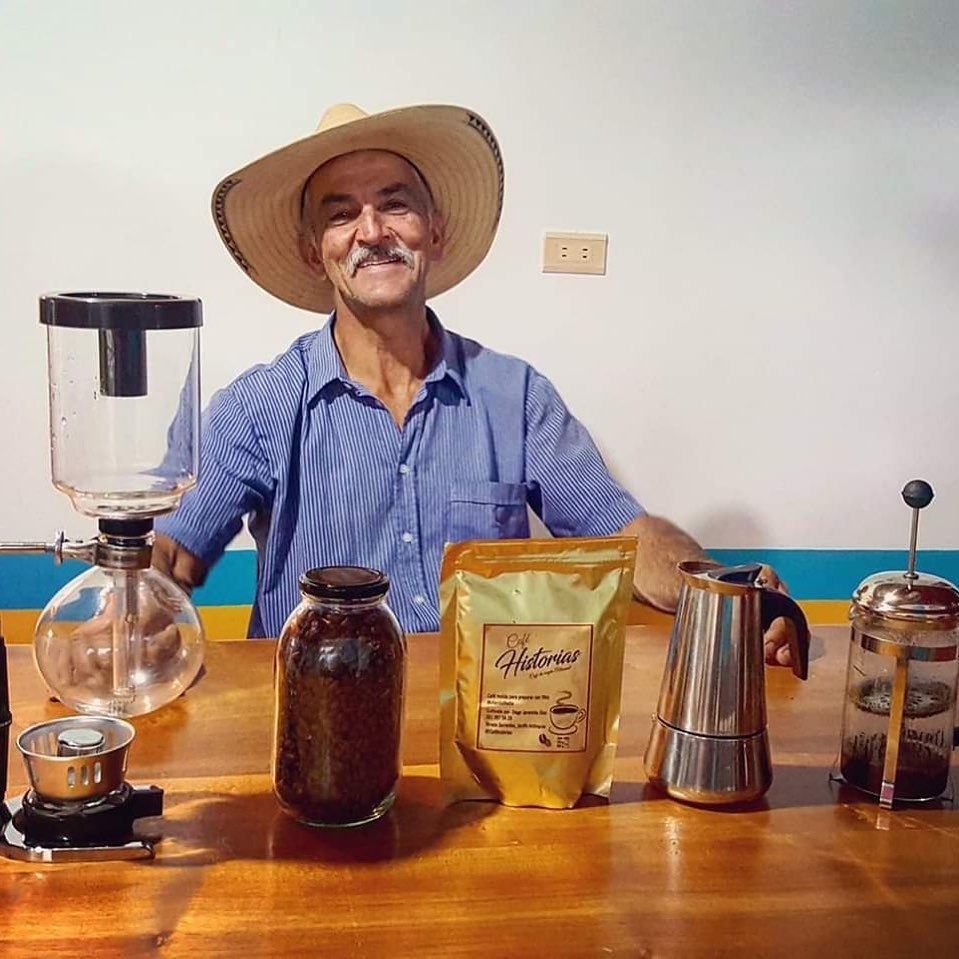
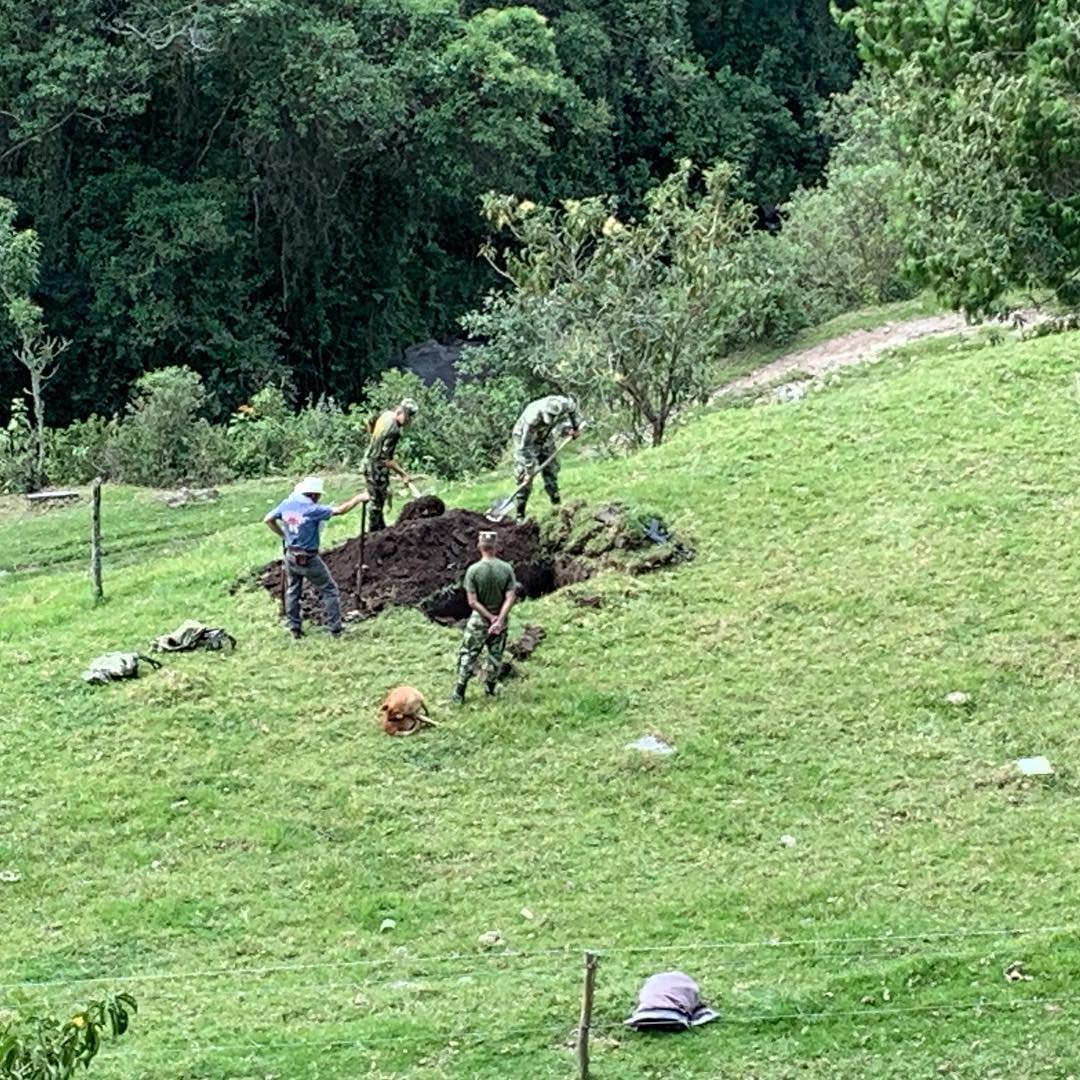
A city in a valley, cut off by mountains and then by its reputation. In 1988, Time called it the most dangerous city in the world. Twenty-five years later it was named the most innovative. Nobody rescued it. It cleaned itself up through sheer will: cable cars up the hillsides, libraries where the violence had been. Chaos on the surface, and underneath it some of the kindest, happiest people I’ve known. Magical realism, it turns out, is just realism there.
“Travel is fatal to prejudice, bigotry, and narrow-mindedness.”
Sources: Time, 1988, Wall Street Journal and Citi, City of the Year, 2013
Photo: William Gil, CC BY 2.0

Medellín taught me to look underneath. Mexico City showed me what a city can hold.
03
Mexico City
La Condesa
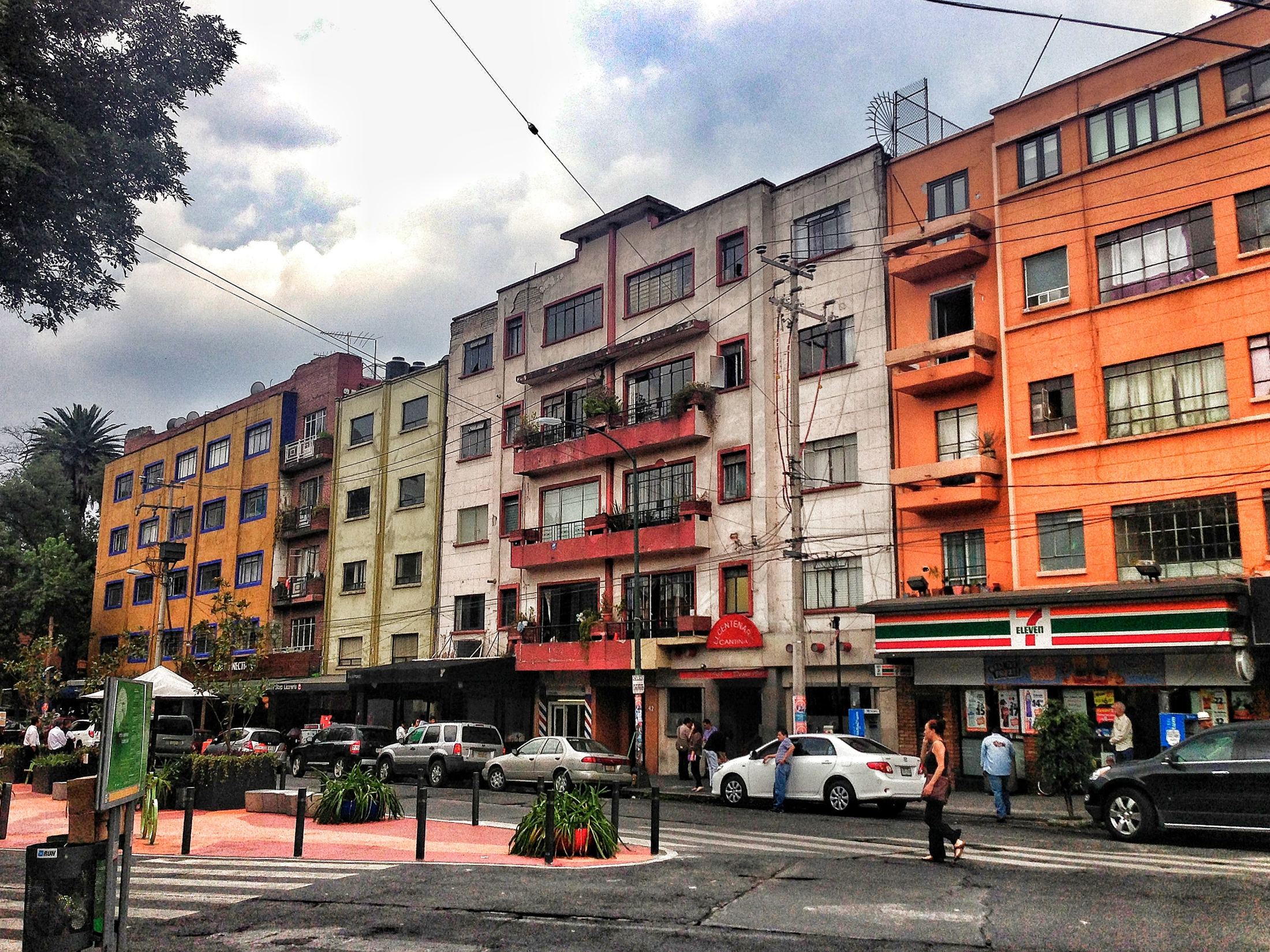
Twenty million people, and it refreshes the soul instead of draining it. La Condesa has the galleries and the jazz clubs. Walk a few blocks past it: taco stands, lively markets, reggaeton clubs, neighbors who know each other. That’s where the city breathes.
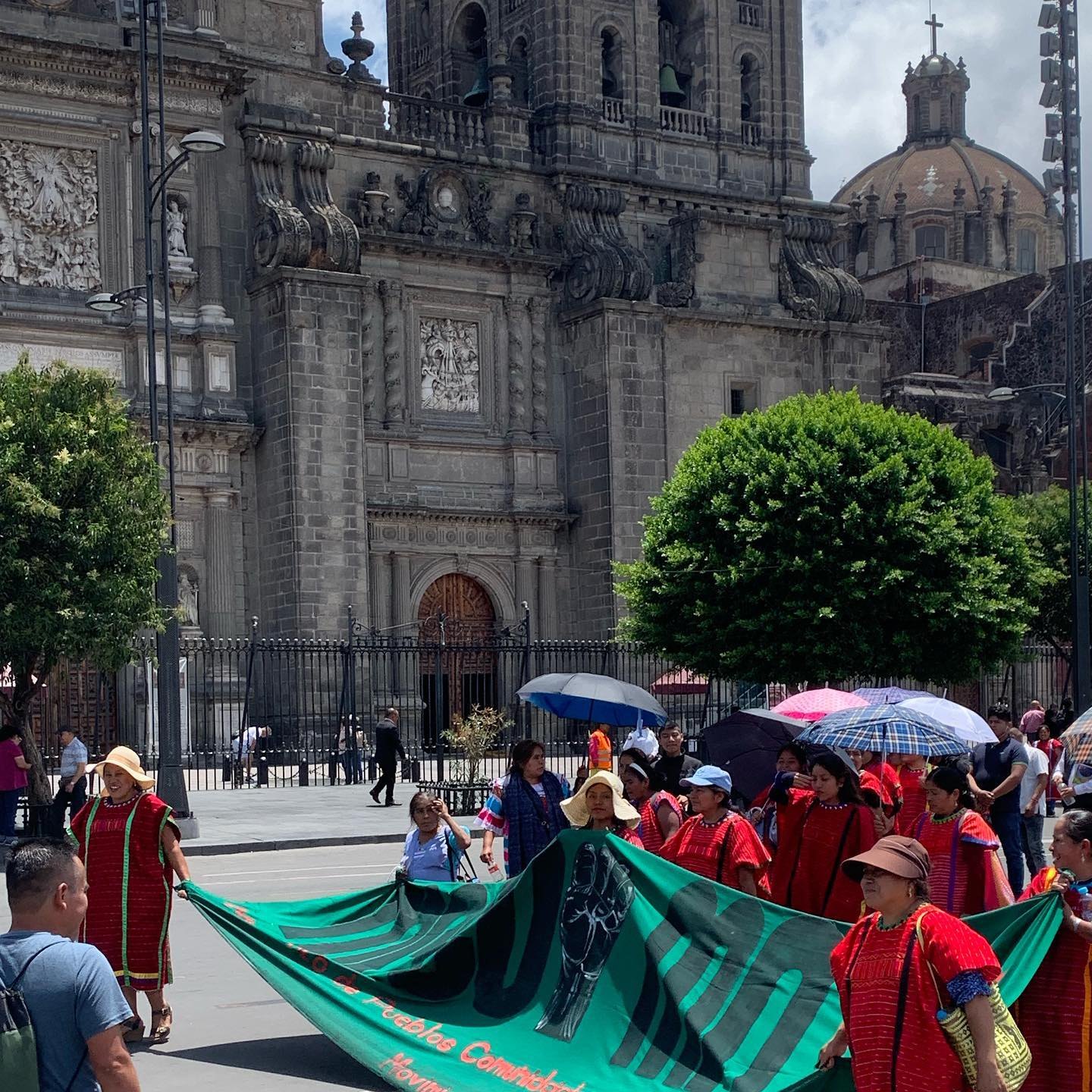
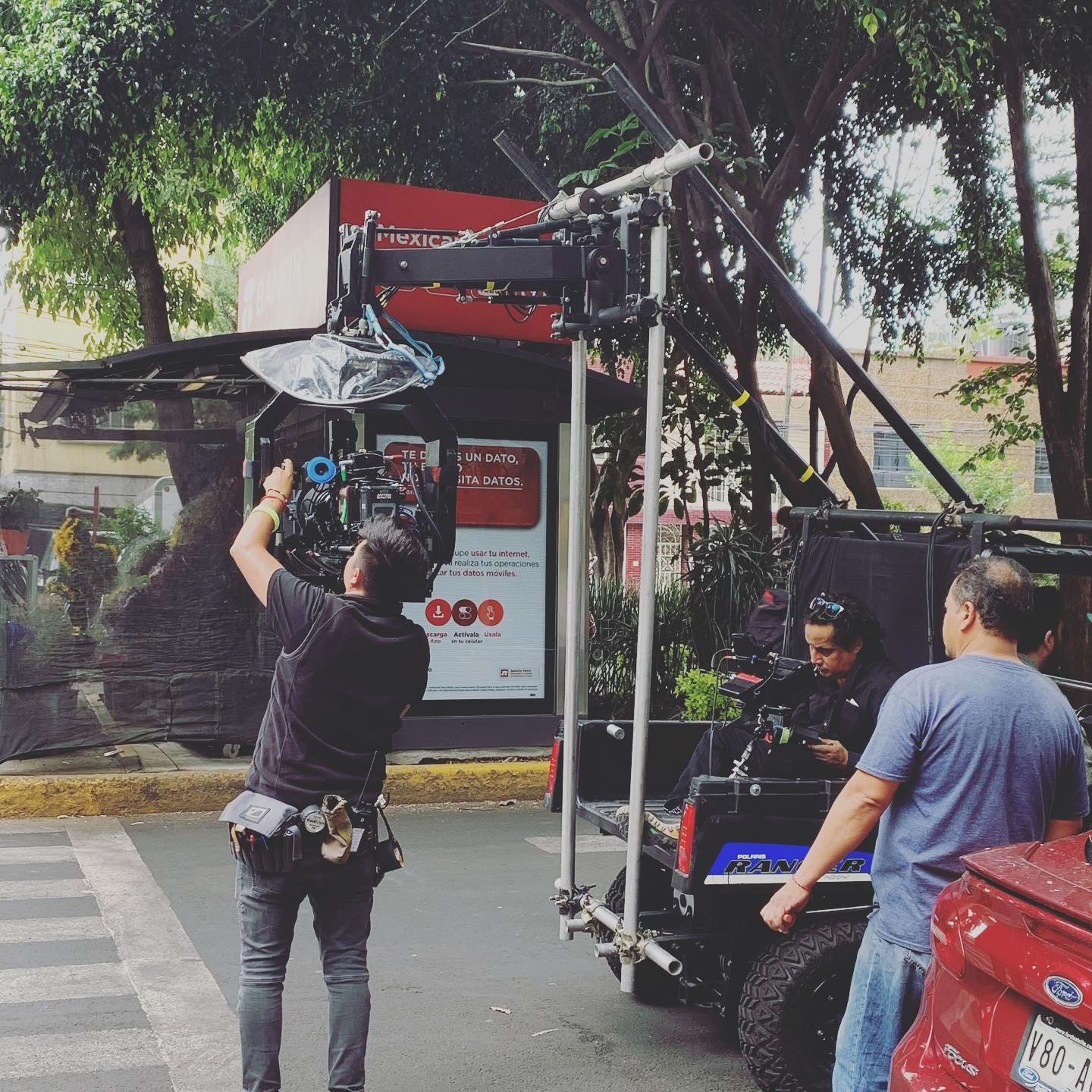
Photo: Keizers, CC BY-SA 3.0
Culture isn’t only inherited. Lima built one on purpose.
04
Lima
Miraflores
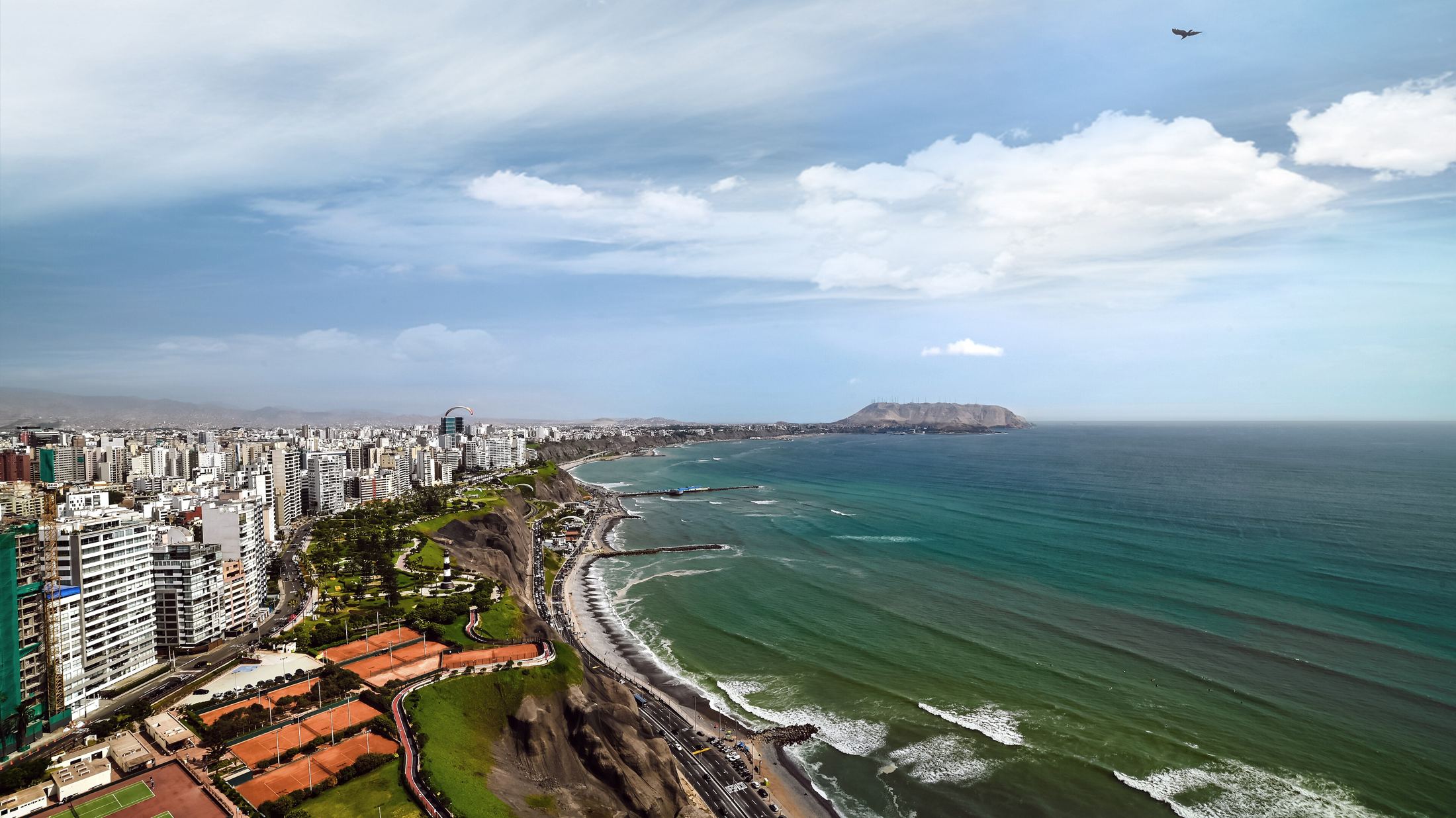
A city that decided to become a food capital, built the kitchens to prove it, and won. A place can choose what it’s known for: the best brand strategy I’ve ever seen. But it doesn’t run deep. A third of Peru lives in Lima, and Lima makes nearly half of its GDP. Outside it, life looks like a struggle. A brand can lift a city without lifting a country.
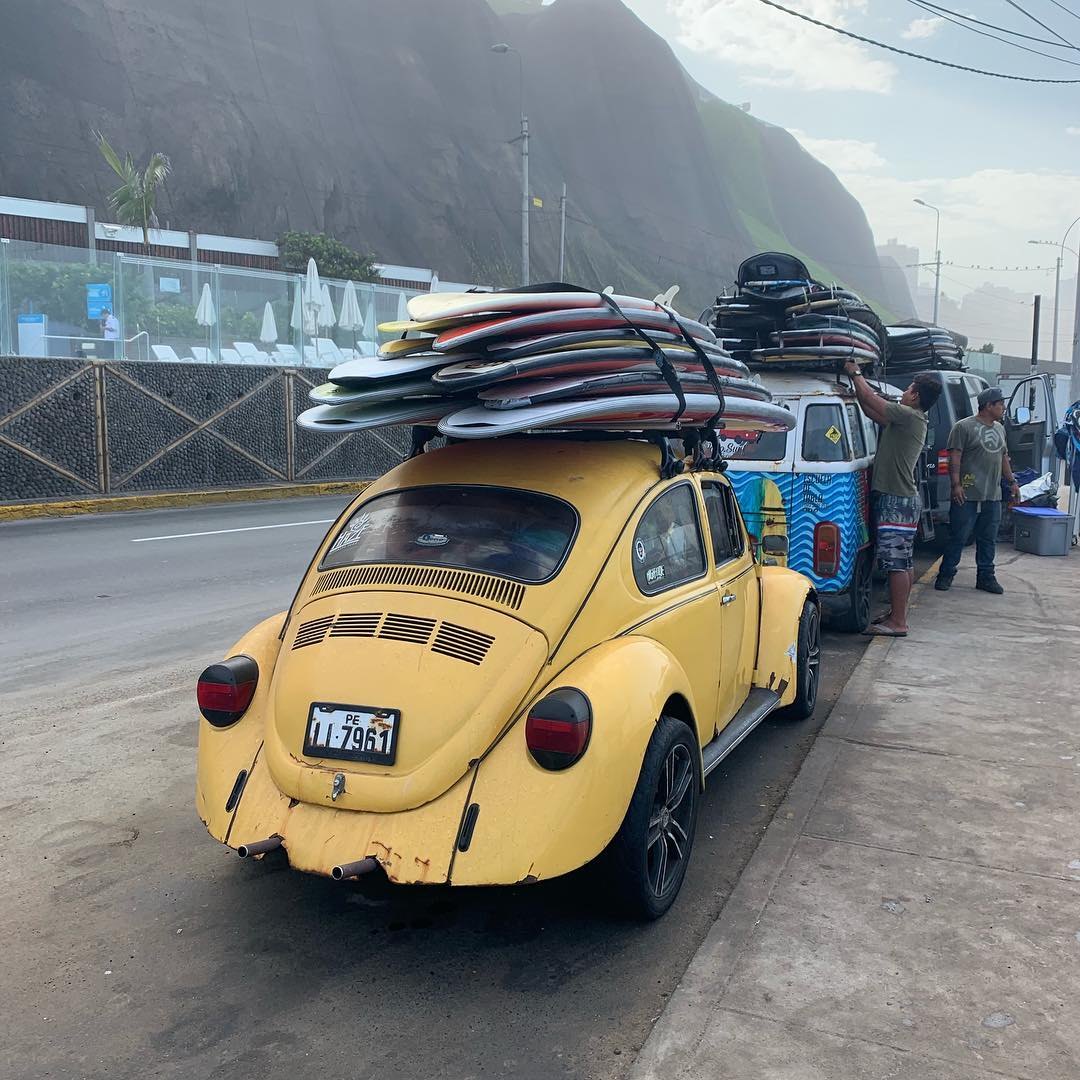
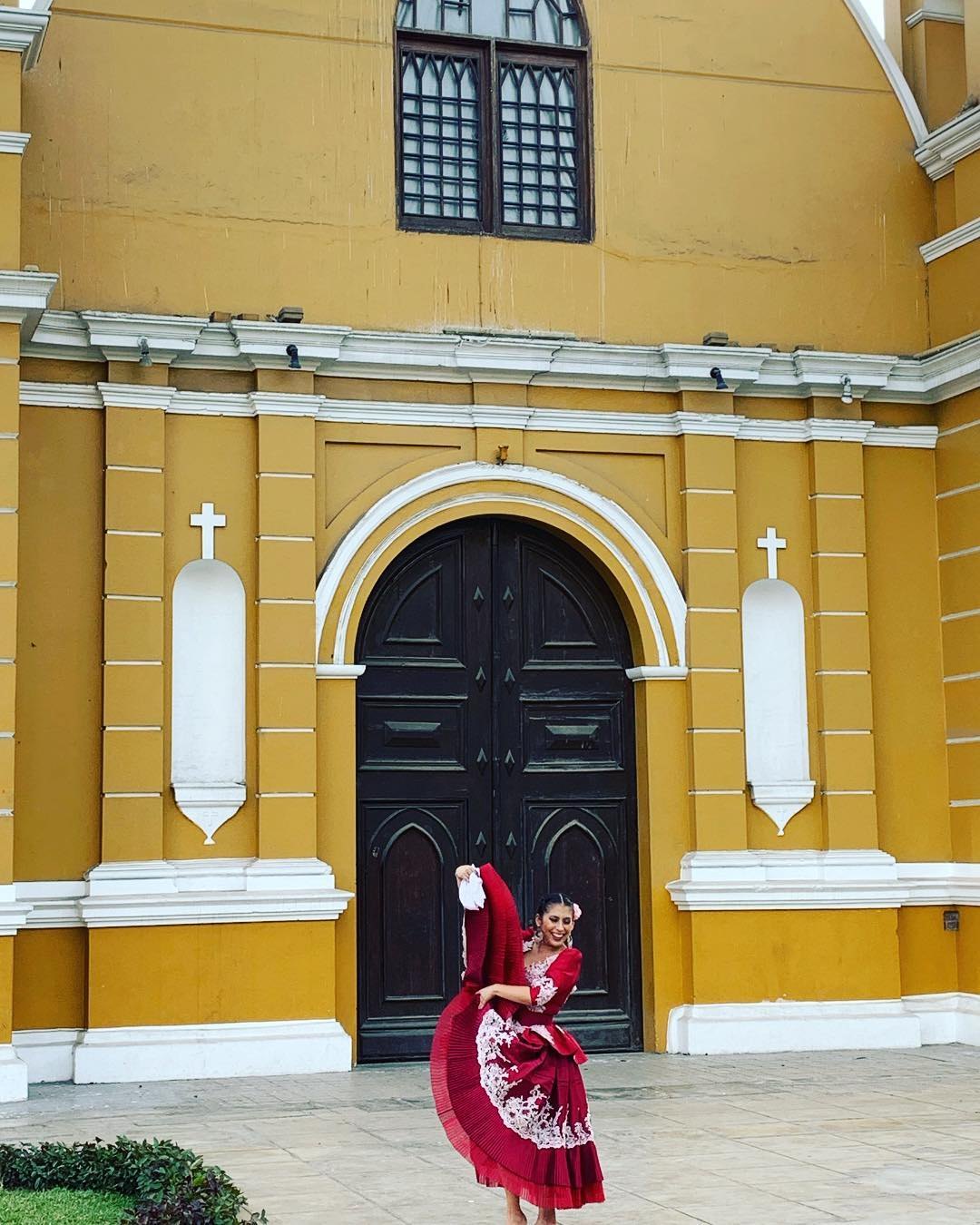
Sources: APEC, 2017, from INEI data
Photo: Alec Gamoff, CC BY 2.0

If a place can choose what it becomes, it can also choose what it keeps.
05
Buenos Aires
Palermo
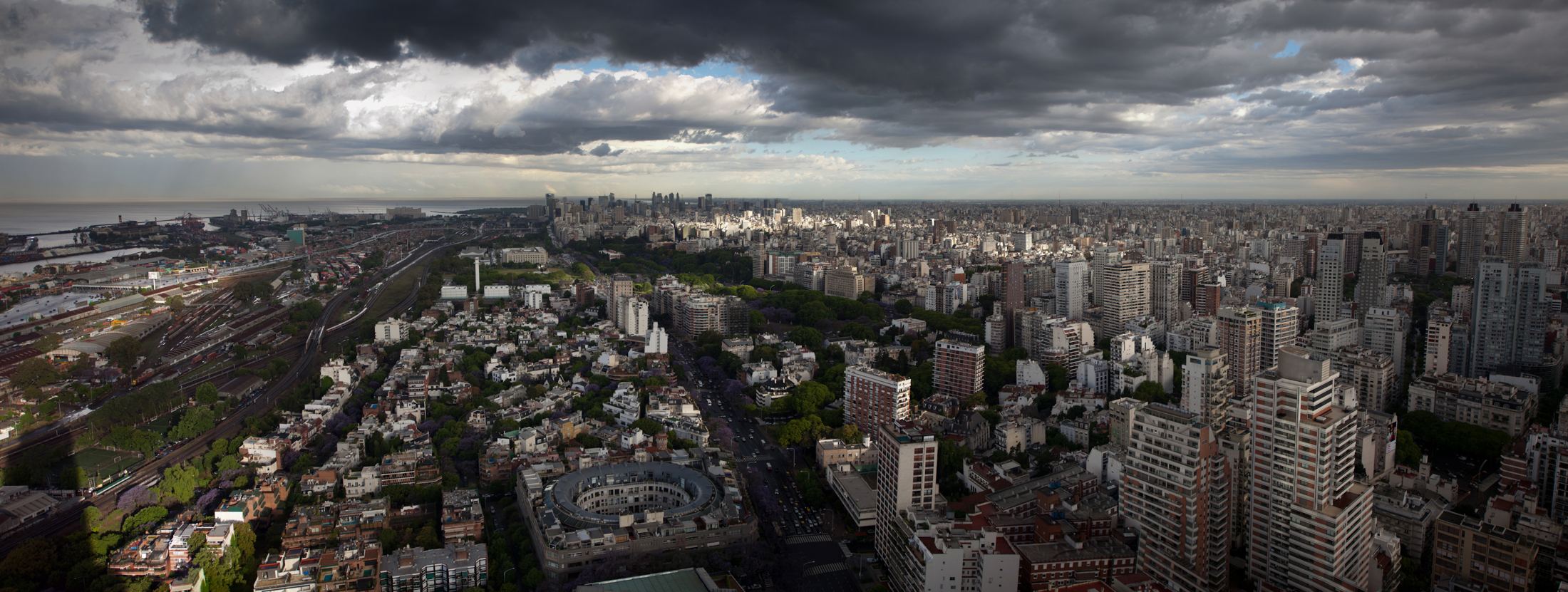
Europe, on the far side of the Atlantic. A city that never forgot where it came from, and still demands quality in everything. It also mourns, and keeps trying to move on. Land at Ezeiza and you’d never know that in 1973, a few miles from the runway, the crowd that came to welcome Perón home became a massacre. Then came the dictatorship and Operation Condor. Outside what are now some of the most peaceful neighborhoods in Latin America, the sidewalks remember: a tile on Scalabrini Ortiz, in Palermo, marks Daniel Jorge Bertoni, a veterinarian and father of four, disappeared by state terrorism on September 2, 1977. Now people are focused, heavily, on peace, quality of life, justice and community. A city can keep its past without being kept by it.
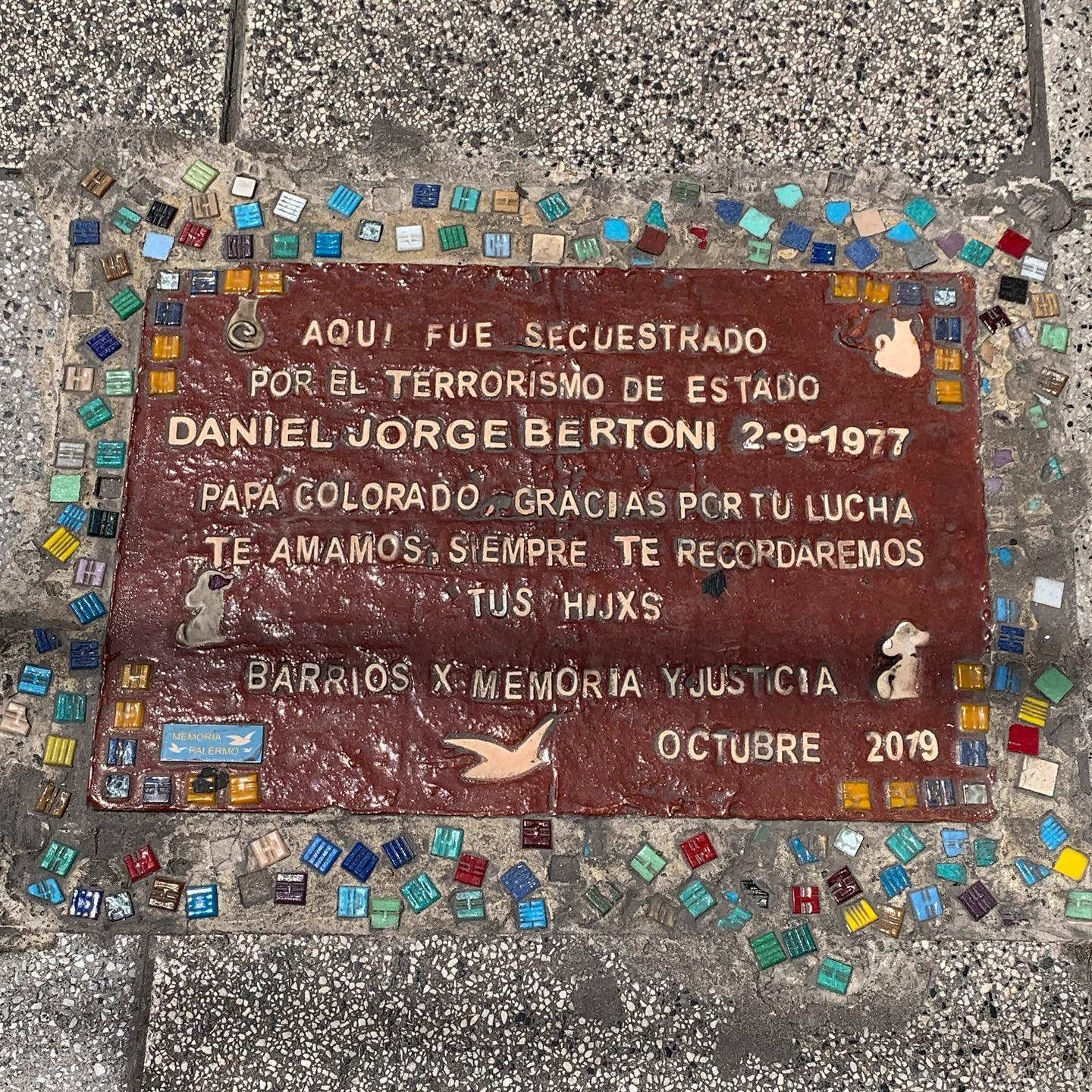
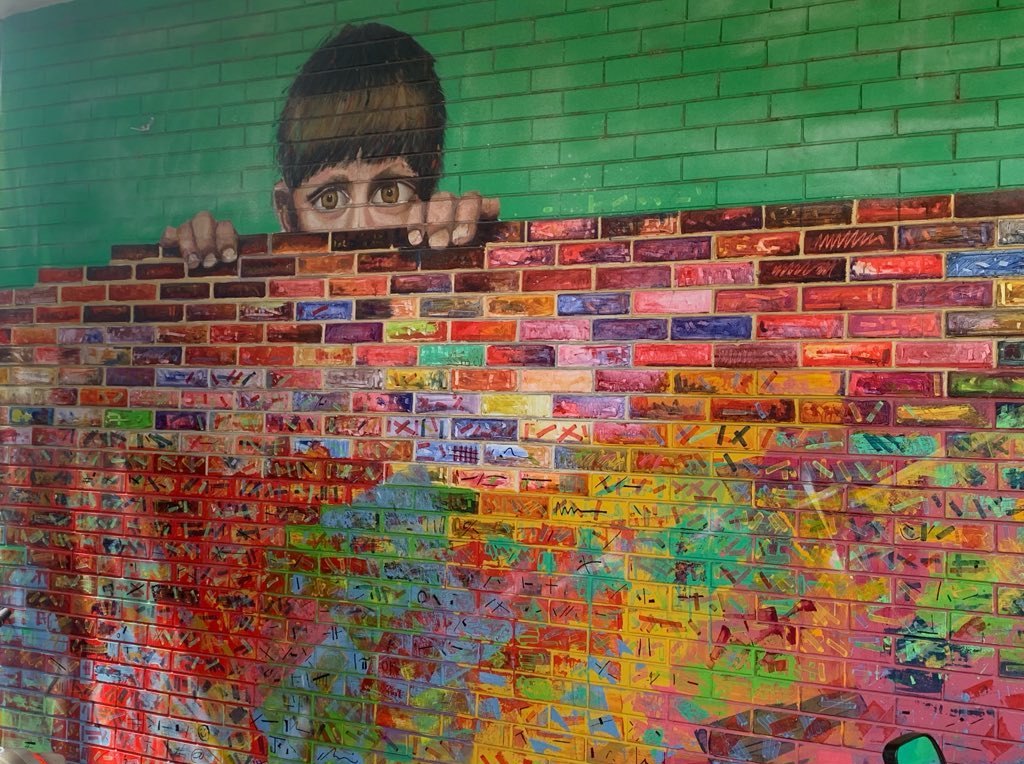
Sources: Memoria Palermo: Daniel Jorge Bertoni, the Ezeiza massacre, Operation Condor, the Dirty War
Photo: Jimmy Baikovicius, CC BY-SA 2.0

Across the Andes, a country still deciding what to keep and what to tear down.
06
Chile
Santiago’s Bellavista and Centro, then Patagonia
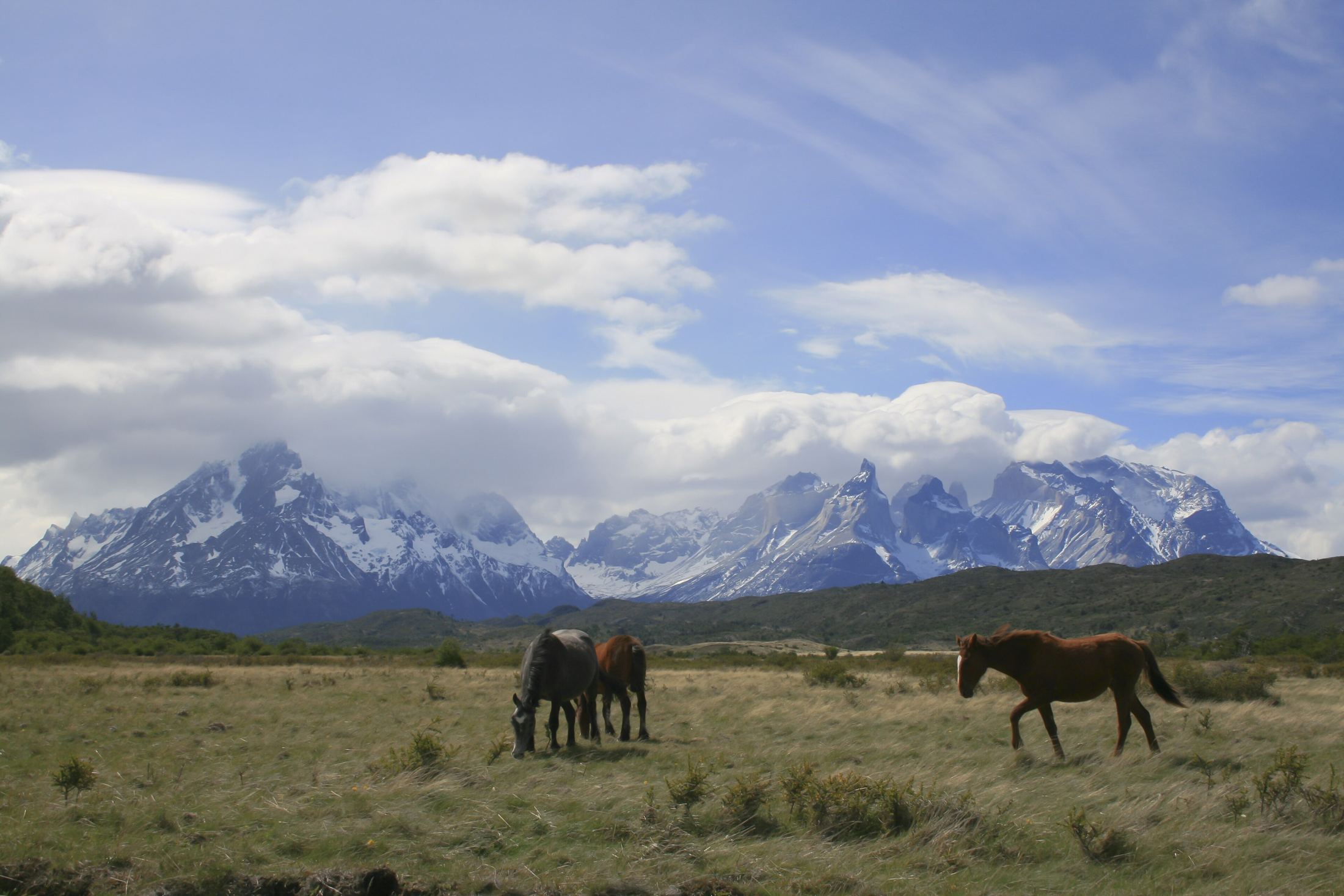
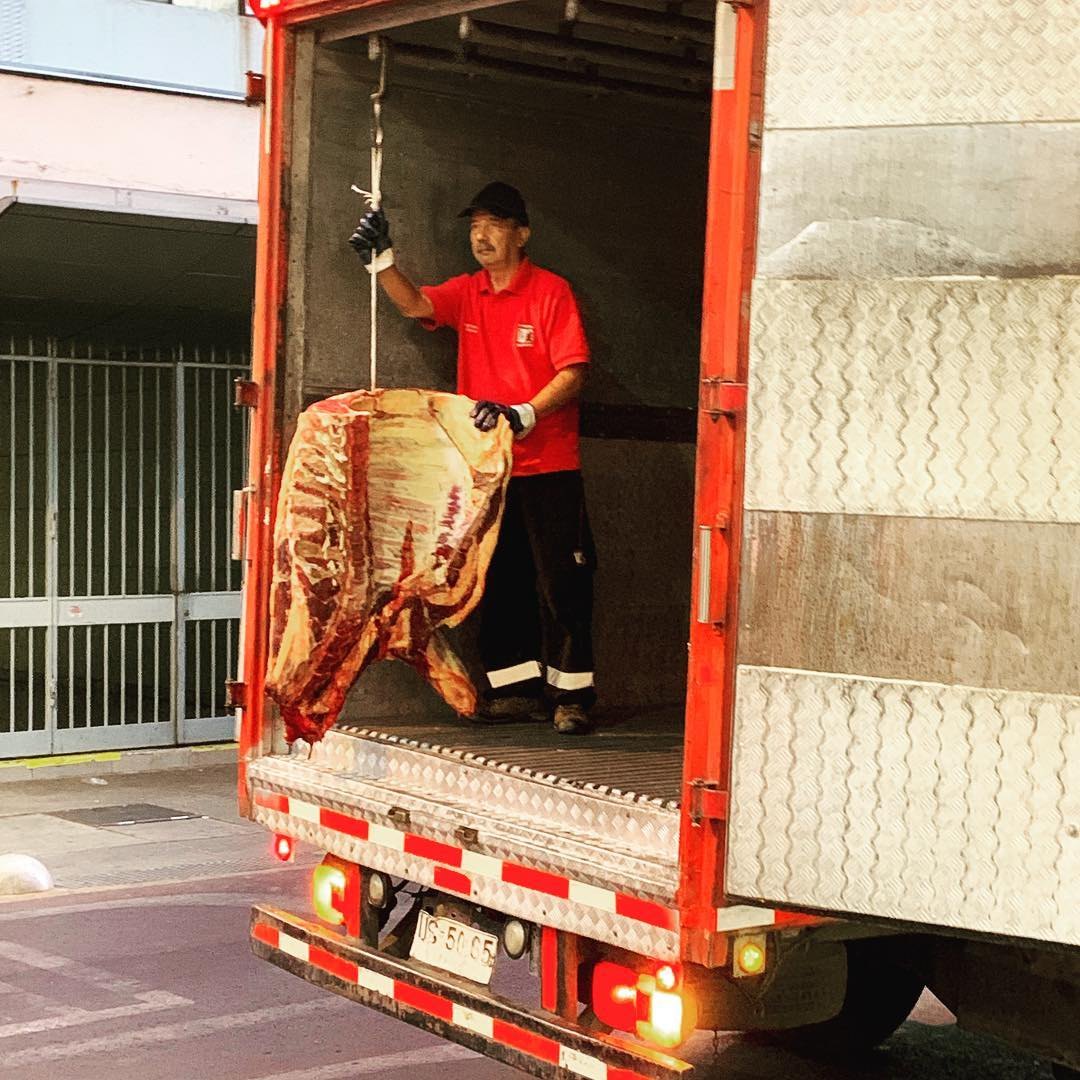
Santiago wants stability, at almost any cost. Pinochet left a mark you can still feel. Buenos Aires sets its memory into the sidewalk; Santiago holds it in people’s hearts. But people striving for a better quality of life will tear down what doesn’t work. In 2019 the protests left whole blocks of central Santiago scarred; a year later, 78% voted to replace his constitution. Then they rejected two drafts, and kept it. As an American, I learned what it’s like to be the foreigner people are wary of, and why: here, the United States isn’t an abstraction. It’s the coup in 1973. Further south, Patagonia: the real land’s end, where isolation is beautiful, and taxing.
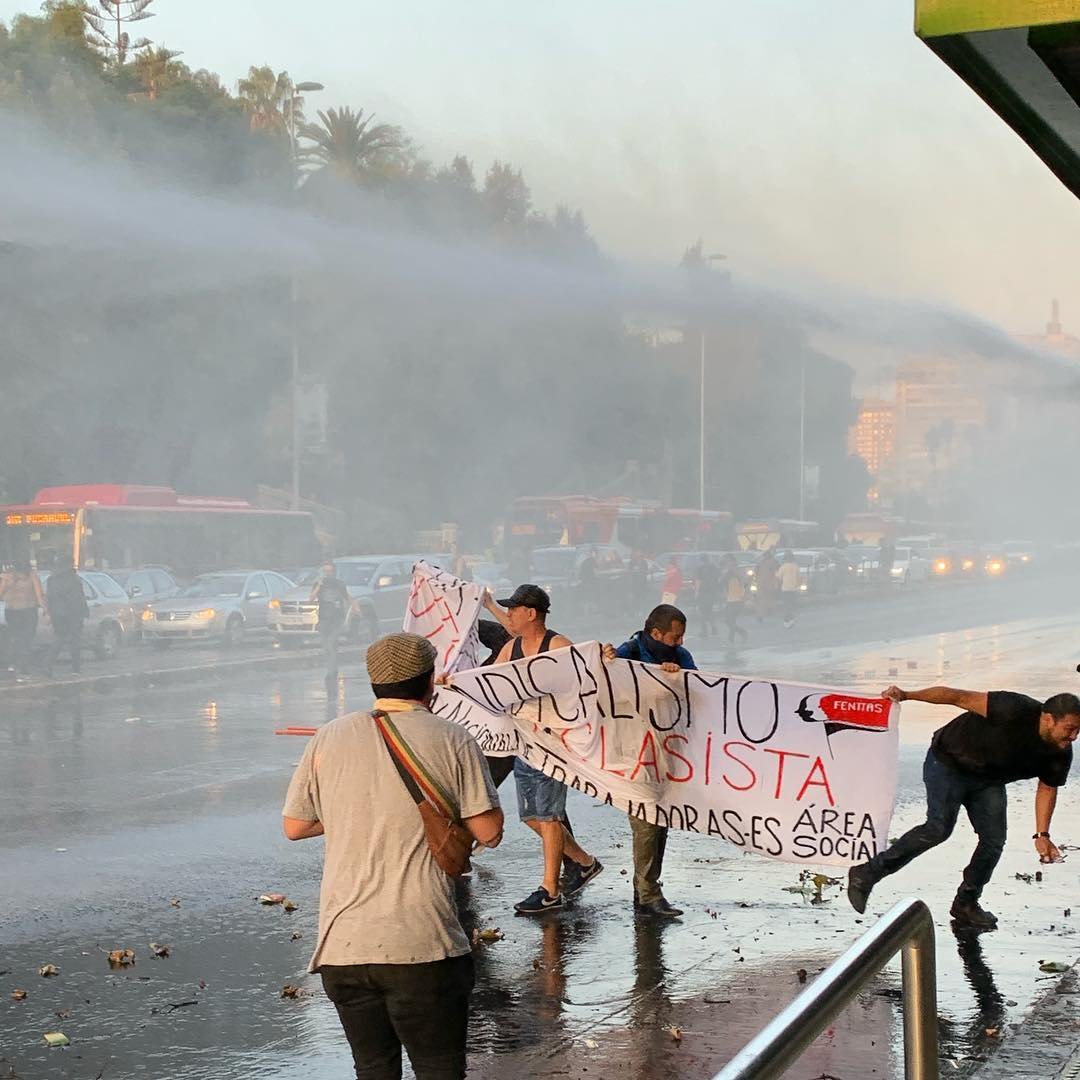
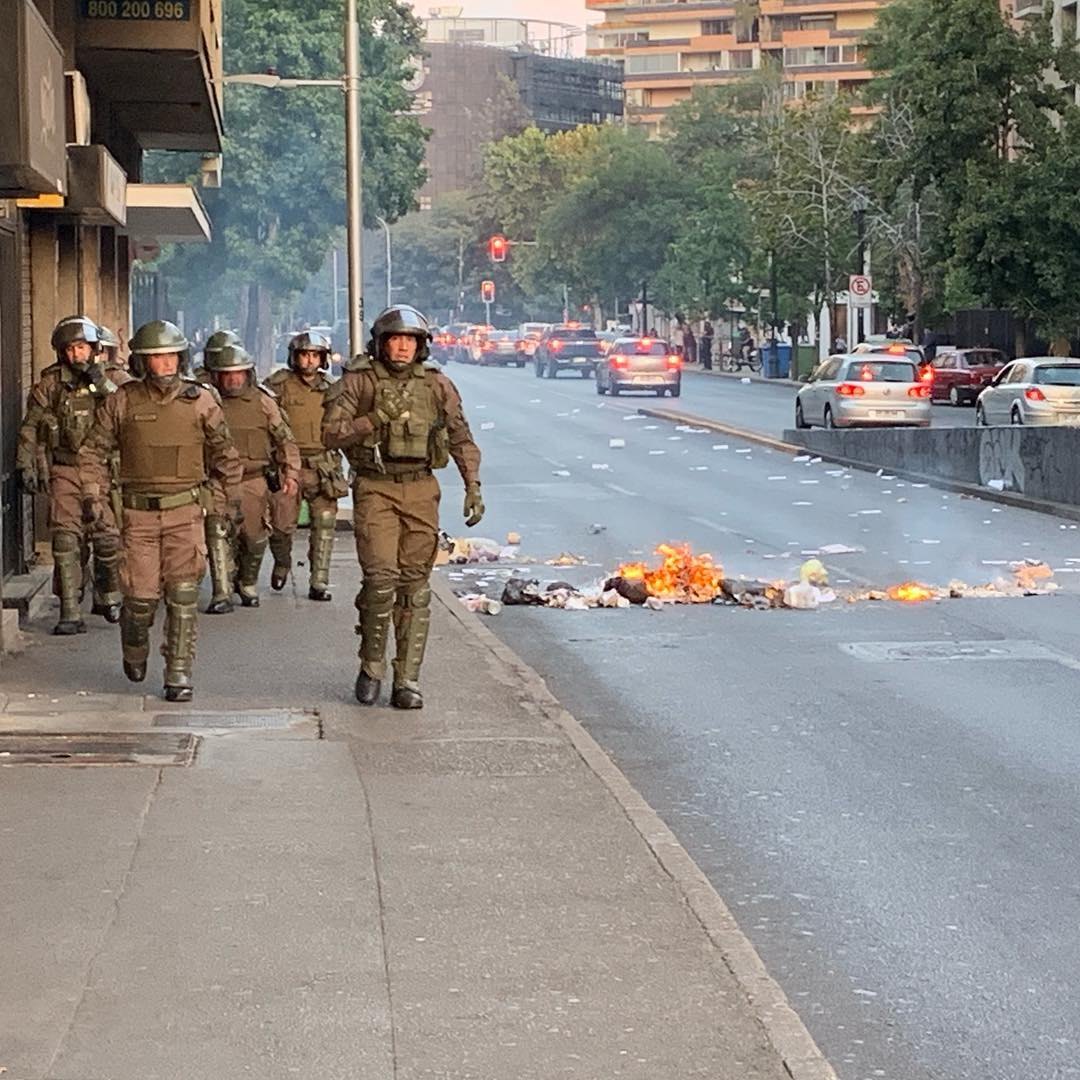
Sources: the US and the 1973 coup, 2019 protests, 2020 referendum, 2022, 2023
Photo: Diego Delso, CC BY-SA 3.0

Eventually I went back to where so much of it began.
07
The Iberian Peninsula
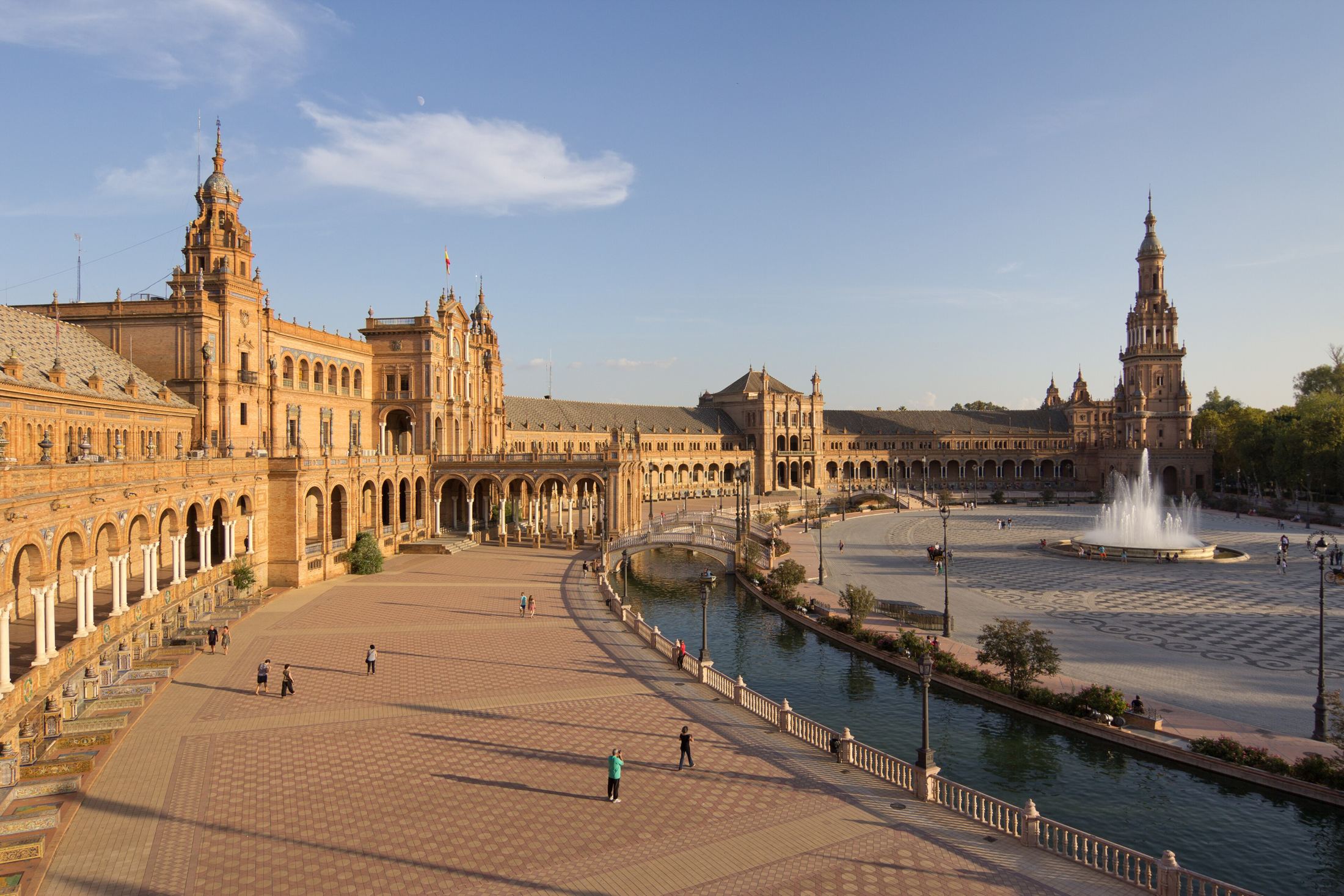
We inherit our systems the way we inherit our genes. It goes deeper than language: the same flavor of bureaucracy, the same faces. Thousands of miles from Medellín, I kept recognizing people I’d never met and systems I’d never seen. Not everything crossed the ocean; Colombia built plenty of its own. But enough did. It’s a trip.
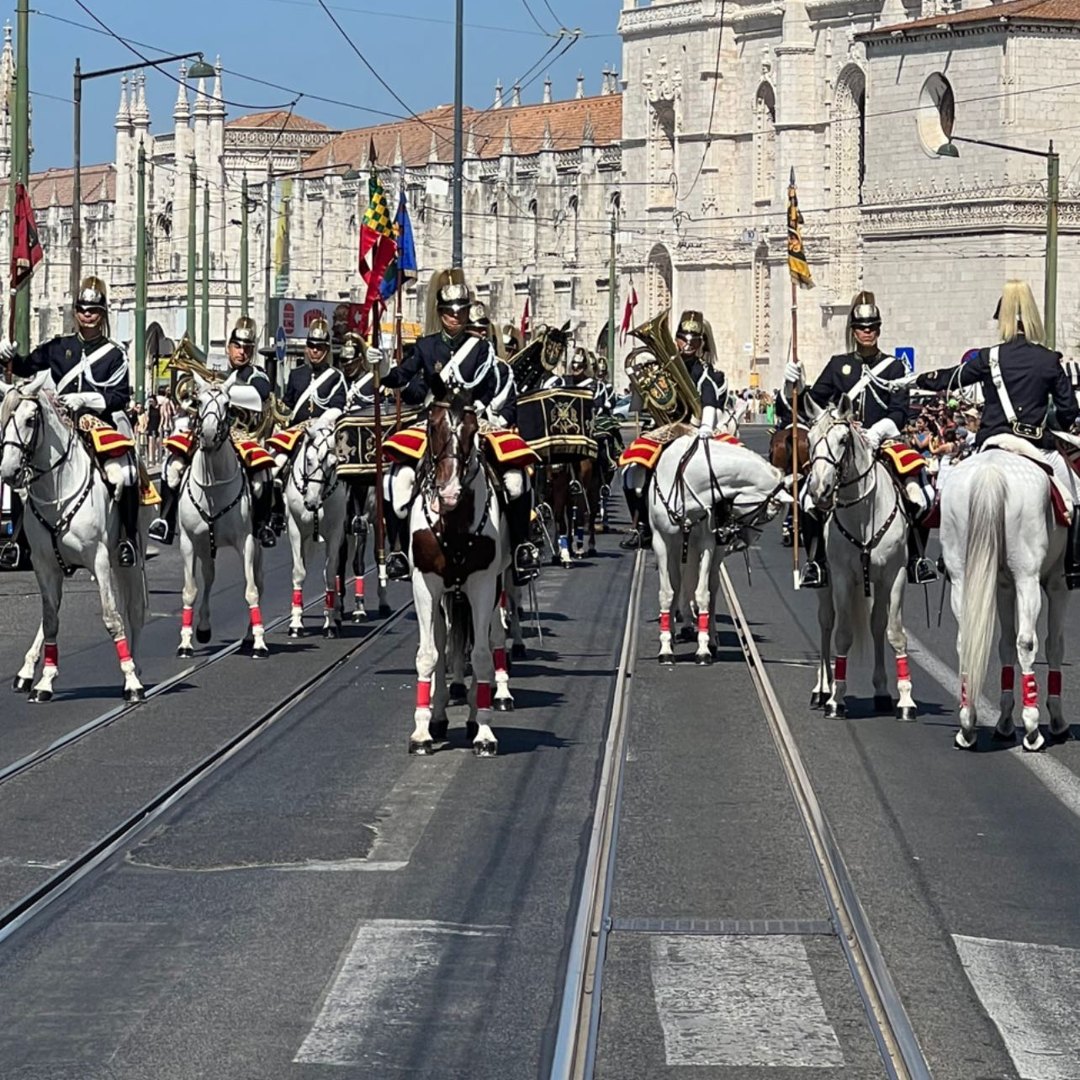
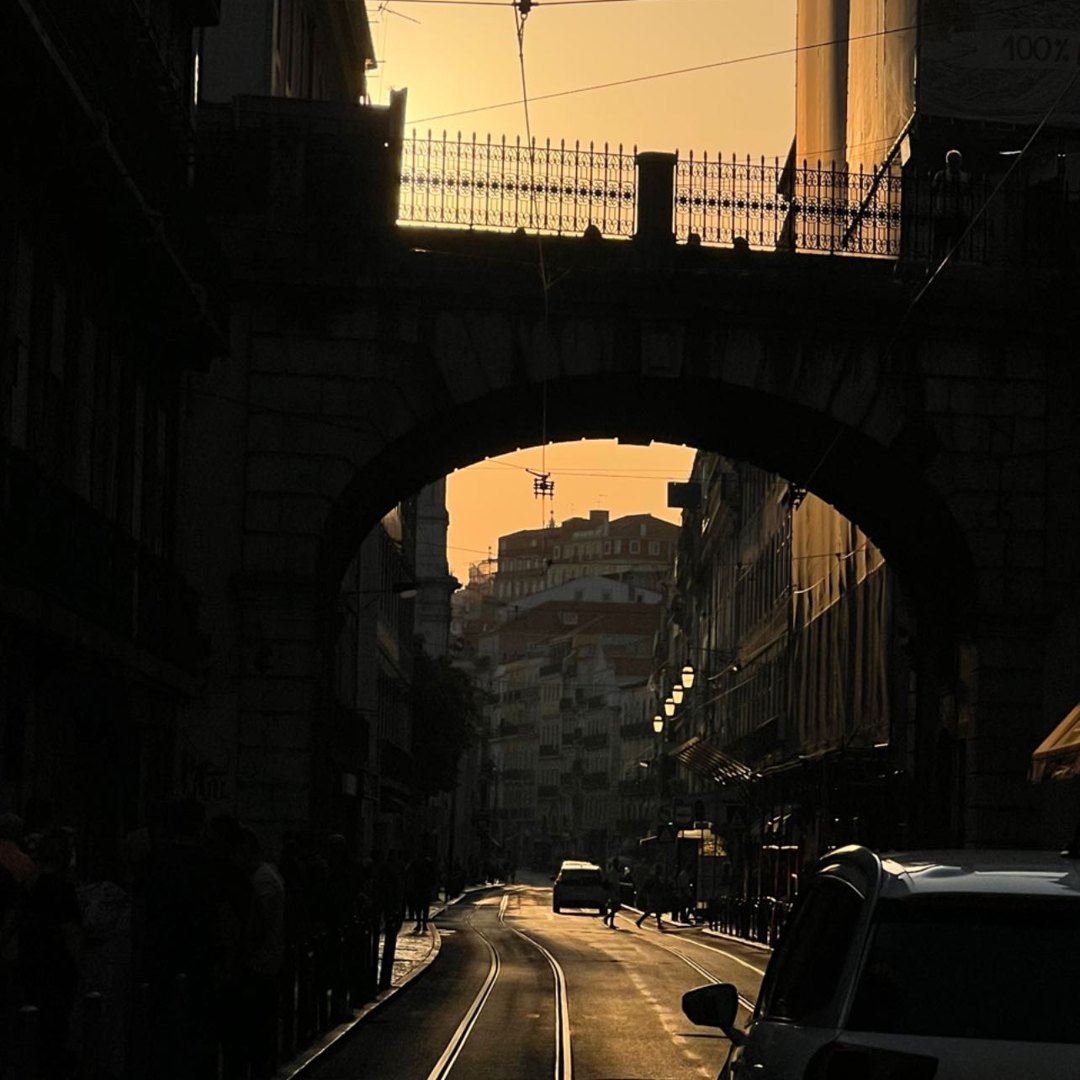
Photo: Carlos Delgado, CC BY-SA 4.0

And then another city in a valley.
08
Phoenix
Planted, for now. Still exploring when I can.
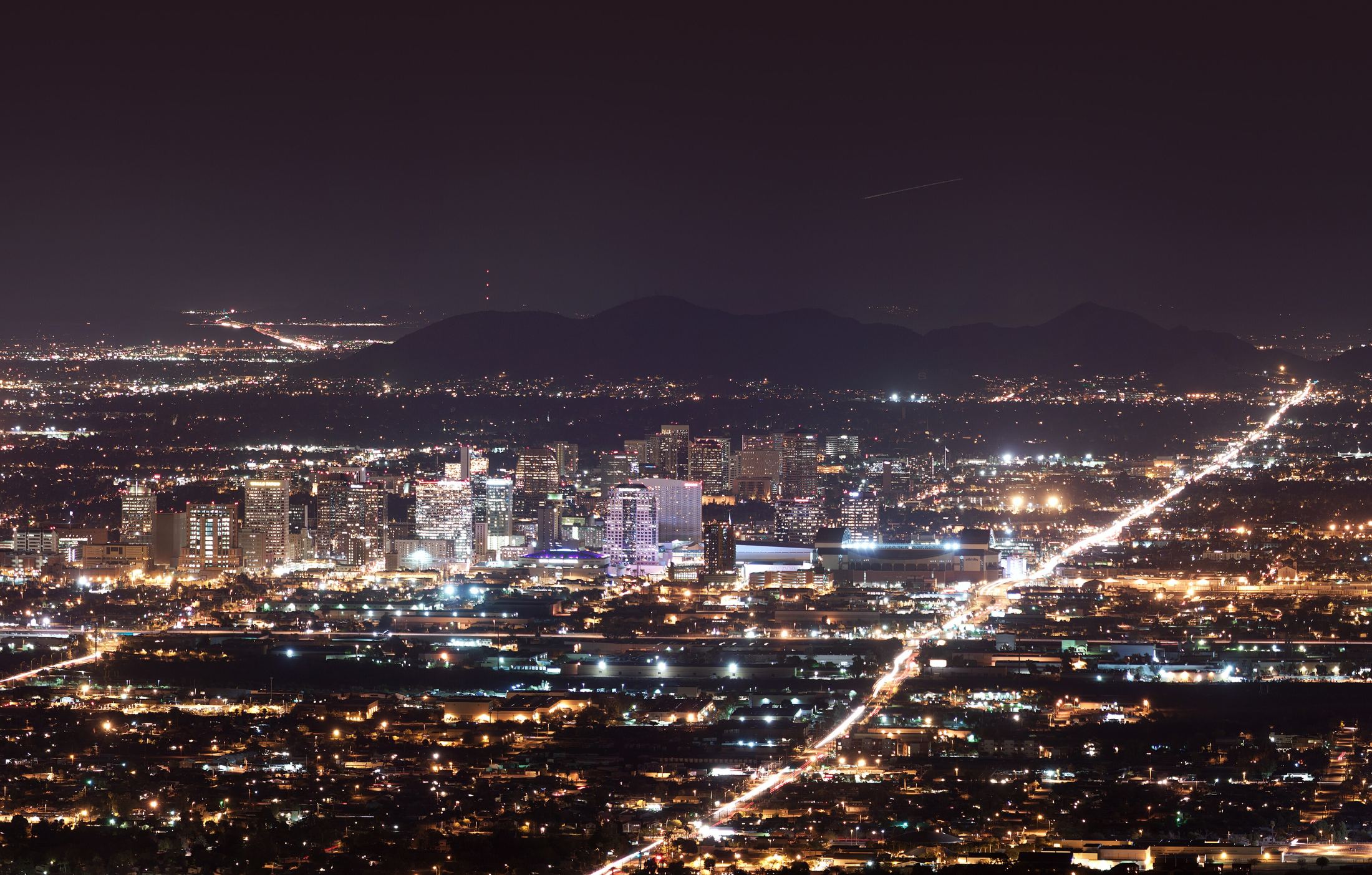
A community within a valley. Nearly five million people, and one of the only places that has ever felt like one cohesive community. It feels like everyone knows each other, despite how large it is. A city can be vast and still feel like a neighborhood.

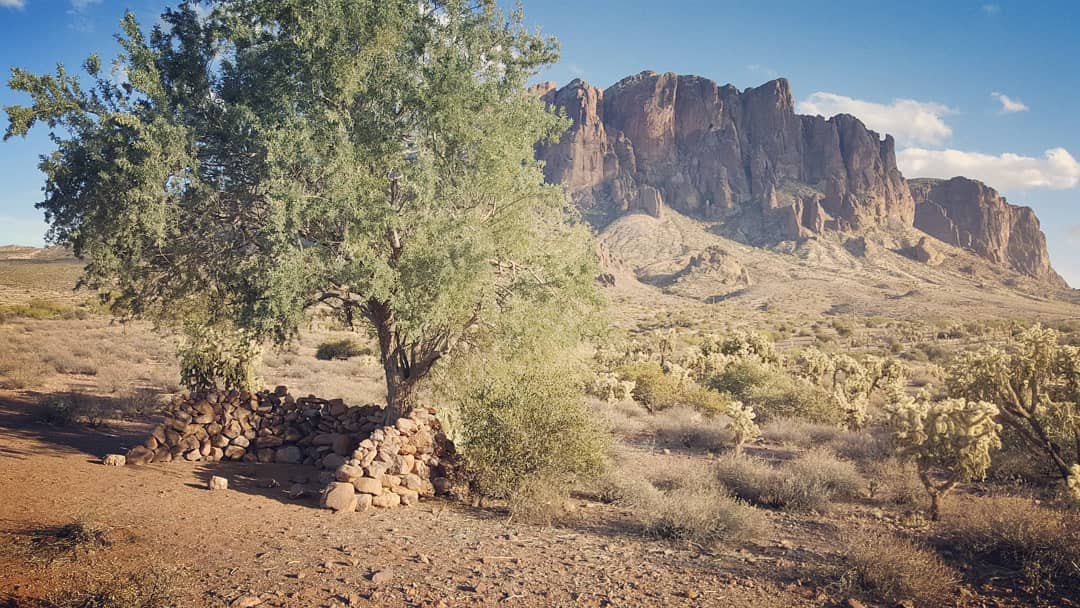
Sources: 2020 Census, metro Phoenix
Photo: Alan Stark, CC BY-SA 2.0

The chapters are where I stayed long enough to learn something. The rest is where I went looking.
Travelled
Micro adventures, usually by car, one micro-region at a time.
“One’s destination is never a place, but a new way of seeing things.”
And more to explore.
Every place, by region
Where I lived
Chicago, Medellín, Mexico City, Phoenix, Lima, Buenos Aires, Santiago, Patagonia, Seville
Antioquia
Envigado, Jardín, Guatapé, Santa Elena
The Coffee Region
Manizales, Pereira, Salento, Filandia
The Caribbean coast
Cartagena, Islas del Rosario, Barú, Barranquilla, Santa Marta, Tayrona National Park
Iberia
Madrid, Lisbon, Lagos
Morocco
Marrakech, Casablanca
France
Nice
Italy
Venice, Rome, Naples, Capri
Greece
Athens, Rhodes
Mexico
San Miguel de Allende
Arizona
Sedona
The desert
Palm Springs, Coachella Valley dunes, Bombay Beach, Slab City
Florida
Miami, Orlando
The Caribbean
Grand Cayman, Cancún
The Carolinas and Georgia
Charleston, Myrtle Beach, Raleigh, Atlanta, Savannah
The Midwest
Charleston, Dayton, Fort Wayne, Dubuque, Des Moines, Milwaukee, Green Bay, Minneapolis, Omaha, Kansas City
Tennessee
Nashville
New England and Quebec
Burlington, Montreal
Rockies
Denver, Boulder, Aspen, Vail
Utah
Salt Lake City, Park City
Yellowstone
Yellowstone, Billings, Little Bighorn, Mount Rushmore, Jackson Hole
Pacific Northwest
Seattle, Mount Olympus, Port Angeles, Portland, Astoria
California
Crescent City, Eureka, San Francisco, Los Angeles, San Diego
Hawaii
Honolulu, Ko Olina, Kawela Bay, Līhuʻe, Princeville
Dashed lines are a flight into a region, from Chicago or Medellín; solid lines are drives, including the desert trips from Phoenix. Land: Natural Earth.
What it adds up to
Every system I build has people inside it. The places taught me to start with them.